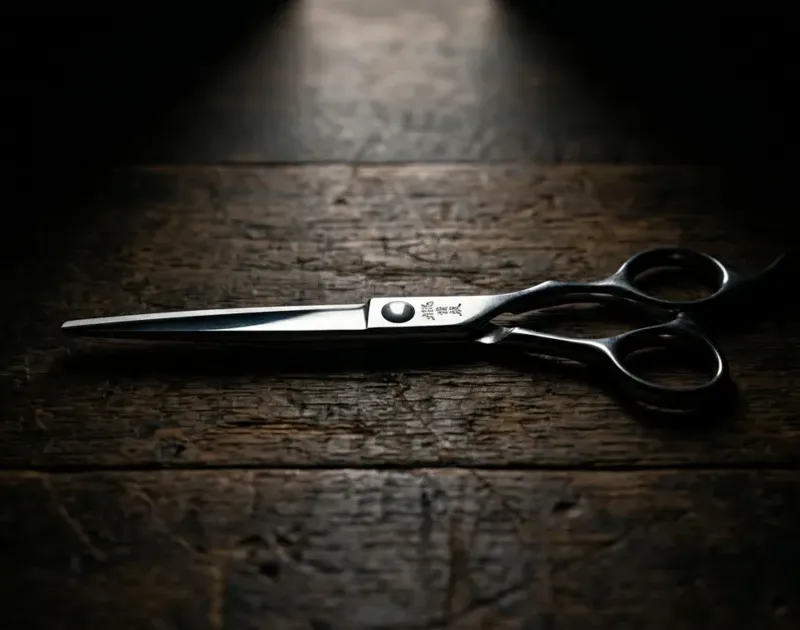
Scissor Steel, Made Simple
440C, VG-10, ATS-314, cobalt, Damascus — what the steel grades on a product page actually mean for your edge, your wallet and your hand.
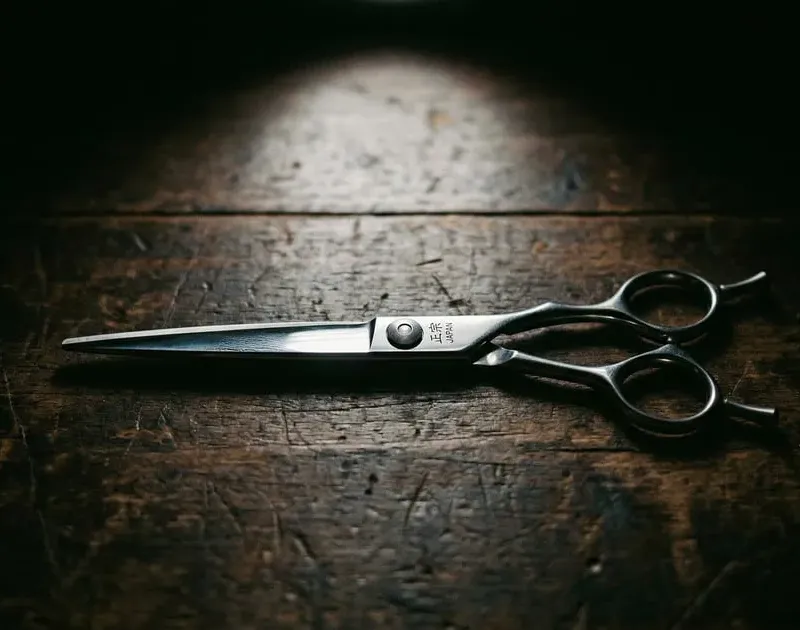
Every product page lists a steel grade, and the names look like passwords. Here’s what they mean in practice — no metallurgy degree required.
The grades you’ll actually see
- 440C stainless (~56–58 HRC). Honest value steel. Takes a clean edge, easy and cheap to service, sharpen a little sooner on coarse hair. Ideal for a first or backup pair.
- VG-10 cobalt (~60–62 HRC). The mid-tier sweet spot — holds a fine edge far longer than 440C. The grade we point most people to.
- ATS-314 / cobalt alloys (~60–63 HRC). Premium edge retention; the flagship feel.
- Damascus. Not a single grade — layered steels forge-welded together, usually around a hard cobalt core. The pattern is structural, and the cutting comes from that core.
HRC, briefly
HRC is hardness. Higher means the edge stays keen longer, but is a touch more brittle and wants careful sharpening. Most quality scissors sit in the low-60s, which is the comfortable balance.
Does the finish change the steel?
No. A rose gold or gold finish is a coating over whichever steel is underneath — the grade on the page is the grade you’re buying. For the longer version, see the Finish & Steel Library.
The practical take
Buy the highest steel your budget allows for how hard you’ll use it. A busy pro feels the difference VG-10 makes over a week; an occasional or first pair is perfectly served by 440C. Then dry it, oil the pivot, and have it sharpened properly — good steel looked after badly still goes dull.
Stay sharp — join the list
New product drops, maintenance tips, and member-only deals delivered to your inbox.