Damascus Pattern Scissors: Art You Can Cut With
Damascus isn't a coating — it's the steel itself, folded and etched. What makes a damascus scissor special, and who they're really for.
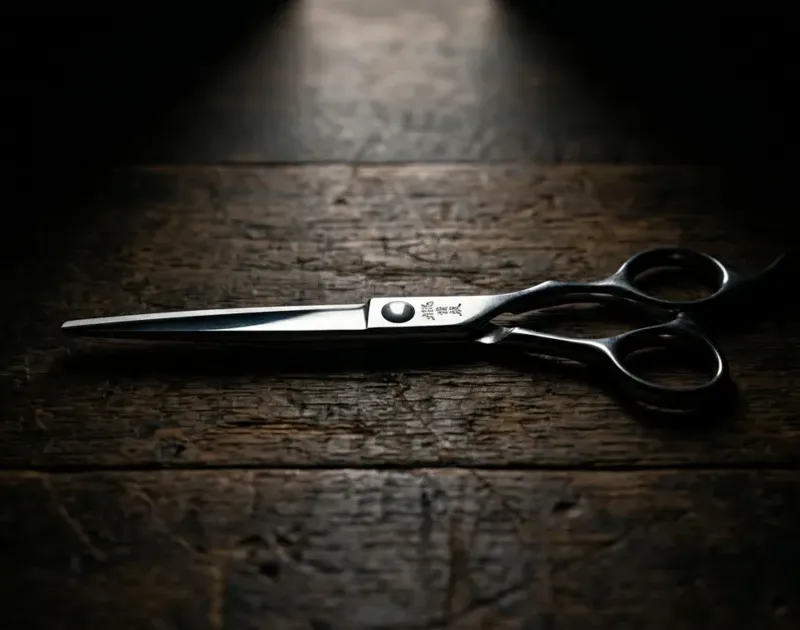
Of all the designer finishes, damascus is the one that isn’t a finish at all. The rippling pattern you see is the steel — layers of different alloys forge-welded together, then etched so the grain shows. No two are identical.
How it’s made
A damascus blade is built from a core steel (often a hard cobalt alloy for the cutting edge) wrapped in many layers of patterned stainless. Because the pattern runs all the way through, it can’t rub off or chip away like a plated colour can — it’s structural.
How it cuts
Underneath the art, what matters is the core. A good damascus scissor pairs that showpiece exterior with a genuine cutting steel, so you get a fine convex edge with real edge retention. Browse the damascus range — the Keiun forged pieces are a standout.
Who they’re for
Damascus sits at the collector-and-craftsman end of the catalogue, and it’s priced accordingly. It suits an established stylist who’ll use and care for a flagship pair — not a first scissor. A forged blade also deserves careful drying and a sharpener who knows layered steel.
If you want a pair that’s genuinely one of a kind and backs the looks with a real edge, damascus is hard to beat. Just go in knowing it’s an investment in craft as much as in a cutting tool.
Stay sharp — join the list
New product drops, maintenance tips, and member-only deals delivered to your inbox.